Buffet table sideboard
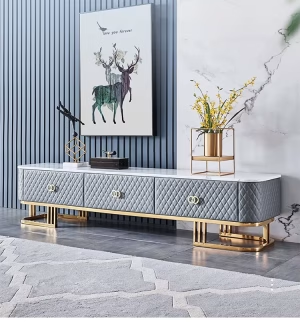
Buffet table sideboard provide dining room storage and serving surfaces. These terms are interchangeable—both describe low cabinets (30-36 inches tall) with doors, drawers, and counter space. We stock designs ranging from 48-72 inches wide to fit different dining room sizes.
Standard buffet construction uses engineered wood frames with metal accents, glass or wood doors, and storage compartments for dinnerware, table linens, and serving pieces. Tops are finished surfaces suitable for displaying decorative items or serving food during meals.
Most sideboards include 2-4 cabinets with interior shelving and 1-3 drawers for utensils and napkins. Price range ₹83,000-₹129,000 depending on size and finish complexity. Free shipping across India. Some assembly required.

Showing 1–12 of 28 resultsSorted by latest
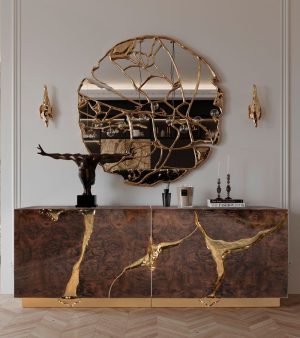
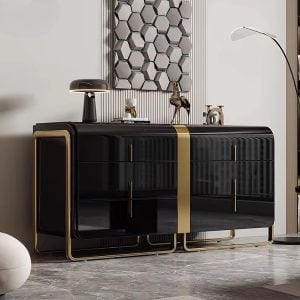
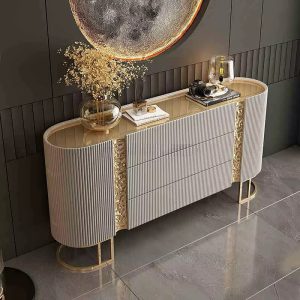
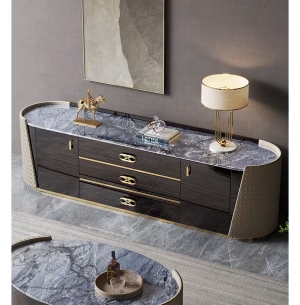
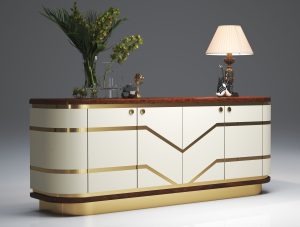
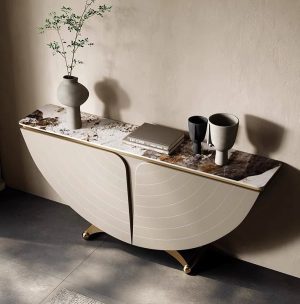
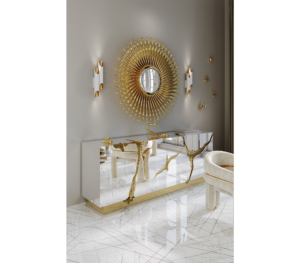
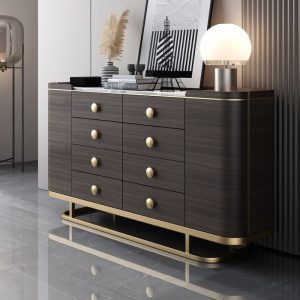

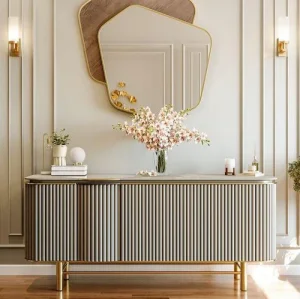
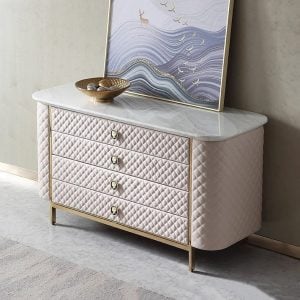
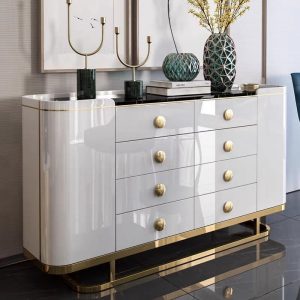
Showing 1–12 of 28 resultsSorted by latest
Buffet Tables and Sideboards – What’s the Difference?
There’s no meaningful difference between buffet tables and sideboards—the terms are used interchangeably in furniture retail. Both describe the same piece: a low storage cabinet designed for dining rooms. Standard dimensions run 30-36 inches tall, 48-72 inches wide, and 18-22 inches deep.
The name “buffet” emphasizes the serving function—you use the top surface to lay out food during meals. The name “sideboard” emphasizes placement—it sits along the dining room wall or side. Some retailers call smaller units (under 48 inches) sideboards and larger units (over 60 inches) buffets, but this distinction isn’t universal.
What matters is function: enclosed storage for dining essentials with a work surface on top. Everything else is semantics.
Storage Configuration
Most buffet tables include a combination of cabinet storage and drawer storage. Typical configuration includes 2-4 cabinet sections with doors and 1-3 drawers mounted above or below the cabinets.
Cabinet storage uses doors that open to reveal interior shelf space. Adjustable shelves let you customize spacing for stacked plates, serving platters, or wine bottles. Cabinet sections typically 12-18 inches wide and 14-20 inches deep provide room for standard dinnerware sets, glassware collections, and serving pieces.
Drawer storage handles flatware, napkins, placemats, and table linens. Drawers typically 12-18 inches wide and 10-14 inches deep with 3-6 inch height. Some models include felt-lined drawers for silver storage or sectioned drawer inserts for organizing utensils.
Interior storage capacity matters. A standard 60-inch sideboard holds approximately 40-60 dinner plates, 8-12 serving platters, 12-24 wine glasses, and complete flatware for 8-12 place settings. Check interior dimensions before purchasing if you’re storing specific items.
Buffet Table Dimensions and Sizing
48-54 inch buffets work in compact dining rooms or apartments. Provide essential storage without overwhelming smaller spaces. Typically 2 cabinet sections with 1-2 drawers. Good for households storing dinnerware for 4-6 people.
60-66 inch buffets suit standard dining rooms (10×12 feet or larger). Most popular size—balances storage capacity with reasonable space requirements. Usually 3-4 cabinet sections with 2-3 drawers. Accommodates dinnerware and serving pieces for 6-8 people.
72+ inch buffets work in spacious dining rooms or open-plan areas. Maximum storage capacity for large households or those who entertain frequently. 4-5 cabinet sections with 3-4 drawers. Can store complete dining sets for 8-12 people plus extensive serving piece collections.
Measure your dining room wall before ordering. Allow 12-18 inches of wall space on each side of the buffet for visual balance. In rooms where the buffet sits between doorways or windows, measure carefully to ensure proper fit.
Material and Construction
Most buffets use engineered wood (MDF or particle board) with veneer finishes or laminate surfaces. Solid wood construction rare at this price point—it would price most models above ₹200,000. Engineered wood offers stability (doesn’t warp in Indian climates) and consistent finish quality at reasonable cost.
Veneer finishes apply thin real wood layer over engineered wood base. Provides natural wood appearance and grain patterns. Available in walnut, oak, teak, and other wood tones. Requires occasional polishing but delivers authentic wood aesthetics.
Laminate finishes use synthetic surface bonded to engineered wood. More scratch-resistant than veneer and requires less maintenance. Available in wood-look finishes or solid colors. Modern high-pressure laminates closely mimic natural wood appearance.
Metal frame accents (stainless steel, brass, or powder-coated steel) add structural support and decorative details. Glass door panels let you display fine china or glassware collections while protecting them from dust.
Placement in Dining Rooms
Standard placement positions the buffet along the longest dining room wall, typically opposite the room entrance or perpendicular to windows. This creates natural serving flow—you move from dining table to buffet and back without crossing main traffic paths.
Height works ergonomically—30-36 inches lets you comfortably access stored items and use the top surface for serving without excessive bending or reaching. This height also aligns well with standard chair seat heights (18-19 inches), creating visual harmony with dining chairs pushed against the wall.
Leave 36-48 inches between dining table and buffet for comfortable movement. This clearance lets people pull out dining chairs fully and allows someone to access the buffet while others are seated at the table.
Using Buffet Tables for Serving
During meals, buffet tops provide serving surfaces for food presentation. Standard buffet depth (18-22 inches) accommodates serving platters, chafing dishes, and beverage containers arranged in a single row without items sitting too close to the back wall.
For buffet-style service, arrange hot dishes at one end, proteins and main dishes in the center, and sides and salads at the other end. This creates natural flow as guests move along the buffet with plates. Place serving utensils next to each dish, not on top, for easier access.
Top surface finishes matter if you’ll set hot serving dishes directly on the buffet. Laminate surfaces handle heat better than veneer finishes. For either surface type, use trivets or hot pads under very hot serving dishes to prevent heat damage.
Everyday Display and Decoration
When not serving meals, buffet tops function as display surfaces. Common arrangements include table lamps for ambient lighting, framed family photographs, decorative bowls or trays, small plants or flower arrangements, and seasonal decorative items.
Avoid overcrowding—leave 30-40% of surface visible. This maintains clean lines and ensures you can quickly clear the surface for meal service when needed. Use decorative trays to group small items together, making them easy to move as a unit.
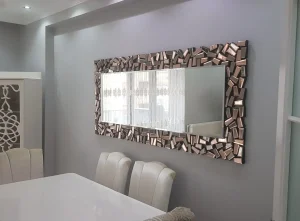
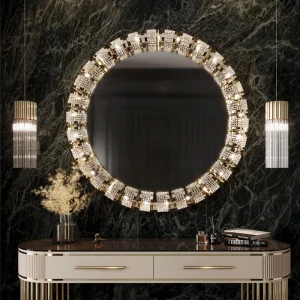
Hanging mirrors or artwork above buffets creates complete wall compositions. Position artwork center at 60-65 inches from floor (standard eye level). If using table lamps on the buffet, ensure artwork doesn’t hang too low—leave at least 6 inches between lamp tops and artwork bottoms.
Buffet Styles and Finishes
Modern buffets feature clean lines, minimal ornamentation, and often incorporate glass or metal elements. Finishes include dark walnut, grey, white, or black. Handles are typically horizontal bars or recessed pulls.
Traditional buffets include decorative details like carved door panels, ornate hardware, and turned legs. Wood finishes in warmer tones like cherry, mahogany, or honey oak. More elaborate construction with crown molding or decorative trim.
Contemporary buffets blend modern and traditional elements. Might use traditional wood finishes with modern hardware, or contemporary silhouettes with classic wood tones. Versatile style works across different dining room aesthetics.
Match buffet style to your dining table for cohesive room design. Modern glass and metal dining table pairs well with sleek modern buffet. Traditional wooden dining set works with classic buffet featuring ornate details.
Assembly and Installation
Buffet tables typically arrive in multiple boxes requiring assembly. Larger buffets may ship in 3-4 boxes containing cabinet sections, doors, drawers, hardware, and sometimes legs or base components. Assembly takes 2-4 hours depending on model complexity.
Two people recommended for assembly—buffet components are heavy and awkward to position alone. Most assembly involves connecting cabinet sections, attaching doors with provided hinges, installing drawer slides, and adding hardware.
Instructions include hardware identification diagrams and step-by-step photos. Keep all packaging until assembly is complete and you’ve verified no missing parts. If hardware is missing, contact customer service before attempting to source replacements locally.
Professional assembly available in select cities. Contact customer service for assembler referrals in your area. Professional assembly costs vary but typically add ₹2,000-₹4,000 depending on buffet size and complexity.
Care and Maintenance
Veneer finishes: Dust regularly with soft cloth. Use wood-appropriate furniture polish every 2-3 months to maintain luster. Wipe spills immediately—moisture can damage veneer if allowed to sit. Avoid placing hot items directly on surface.
Laminate finishes: Clean with damp cloth and mild soap. More forgiving than veneer—handles moisture better and resists scratching. Still avoid abrasive cleaners that can dull the finish over time.
Hardware: Tighten cabinet door hinges and drawer pulls every 6 months. Regular use can loosen hardware over time. Check drawer slides for smooth operation—apply furniture-grade lubricant if drawers stick.
Interior maintenance: Wipe cabinet and drawer interiors occasionally to prevent dust accumulation. Check for moisture damage if storing table linens—ensure linens are completely dry before storage to prevent mildew.
Customization Options
Some models offer customization including custom sizing (adjusted width, depth, or height to fit specific spaces), alternative wood finishes or laminate colors, glass door upgrades for cabinet sections, and interior modifications like wine rack inserts or adjustable shelving.
Custom orders require 4-6 weeks production time and typically 30-40% advance payment. Minimum order requirements may apply for certain customizations. Contact customer service to discuss customization possibilities before ordering.
Standard models ship within 7-14 days to major cities. Custom pieces have longer lead times due to made-to-order production.
Delivery and Logistics
Buffet tables ship via freight carriers in multiple boxes. Total shipping weight typically 60-120kg depending on size. Delivery to your door included in shipping cost, but carriers typically won’t bring items inside your home or up stairs.
Before delivery, measure doorways, hallways, and stairwells to ensure assembled buffet will fit through your home. Some buffets are too large to move fully assembled through standard 32-inch doorways. Plan assembly in the room where the buffet will live, or near the widest entry point to your home.
Delivery takes 7-14 days to major metros including Delhi, Mumbai, Bangalore, Hyderabad, Chennai, and Pune. Add 3-7 days for remote locations. Tracking information provided once shipment dispatches.
Frequently Asked Questions
What’s the difference between a buffet table and a sideboard?
No functional difference—the terms are interchangeable. Both describe low storage cabinets designed for dining rooms with enclosed storage and top surfaces for serving or display.
What size buffet table should I buy?
Measure your dining room wall and choose a buffet 12-24 inches shorter than the wall length to maintain visual balance. For storage capacity, 60-inch buffets suit 6-8 person households while 72-inch models accommodate 8-12 people.
How much storage space is inside a buffet?
Standard 60-inch buffet stores approximately 40-60 dinner plates, 8-12 serving platters, 12-24 wine glasses, and complete flatware for 8-12 settings. Check product descriptions for specific interior dimensions.
Can I place hot serving dishes directly on the buffet?
Use trivets or hot pads under very hot dishes to protect the surface. Laminate finishes handle heat better than veneer, but both benefit from heat protection under serving dishes straight from the oven.
How tall should a buffet table be?
Standard height is 30-36 inches, which allows comfortable access to storage and serving surfaces. This height also aligns visually with dining chair seat heights for harmonious room proportions.
Do buffet tables come assembled?
No, buffets ship in multiple boxes requiring assembly. Expect 2-4 hours assembly time with two people. Professional assembly available in select cities—contact customer service for referrals.
Can I use a buffet table in rooms other than the dining room?
Yes, buffets work in living rooms for media storage, hallways for linens and household items, or bedrooms for clothing storage. The “buffet” name comes from traditional dining room use, but the furniture is versatile.
What’s the difference between wood veneer and laminate?
Veneer is thin real wood applied over engineered wood—provides authentic wood grain and appearance. Laminate is synthetic surface—more scratch-resistant and lower maintenance but doesn’t have natural wood grain variation.