Fountains
Water fountains work indoors and in outdoor gardens, creating ambient sound and visual interest. We stock decorative tabletop fountains for interiors and larger Buddha fountain statues for gardens, patios, and courtyards. These aren’t ornamental pieces—each includes built-in water pumps and recirculating systems.
Indoor fountains typically measure 12-24 inches tall for placement on tables, shelves, or floor stands. Buddha fountains range from 2-4 feet tall for garden installations. All models use solid resin or fiberglass construction with hand-applied finishes in bronze, sandstone, grey, or natural stone effects.
Electric submersible pumps circulate water through the fountain continuously. Plugs into standard electrical outlets. Free shipping across India. Setup instructions included.

Showing 1–12 of 23 resultsSorted by latest

Showing 1–12 of 23 resultsSorted by latest
Indoor Water Fountains
Indoor fountains create ambient water sounds that mask household noise water fountain for home add peaceful atmosphere to living rooms, bedrooms, offices, or meditation spaces. Tabletop models sit 12-18 inches tall on console tables, side tables, or shelves. Floor fountains stand 24-36 inches tall for placement in corners or along walls.
Water circulation works through an electric submersible pump submerged in the fountain’s water reservoir. Pump draws water up through tubing to the fountain top, where it cascades down over rocks, tiers, or decorative elements back to the reservoir. Continuous recirculation means you add water occasionally as it evaporates rather than connecting to plumbing.
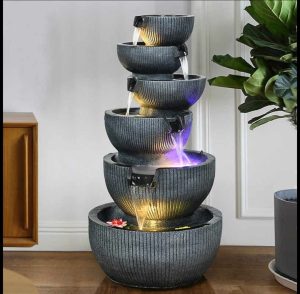
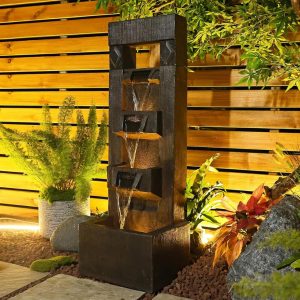
Indoor fountain designs include tiered bowls (water flows from bowl to bowl), rock formations (water trickles over natural-looking stones), and decorative sculptures with integrated water features. Materials use resin or lightweight concrete finished to resemble natural stone, ceramic, or metal.
Typical water capacity 2-5 liters depending on fountain size. Refill every 1-2 weeks in air-conditioned spaces, more frequently in areas with higher evaporation. Use distilled or filtered water to prevent mineral buildup on fountain surfaces.
Buddha Fountains for Gardens
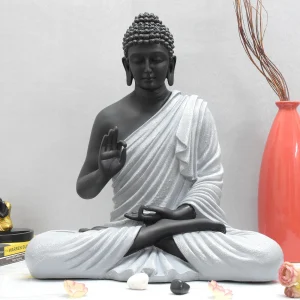
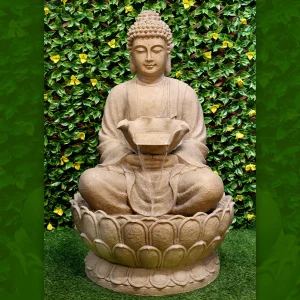
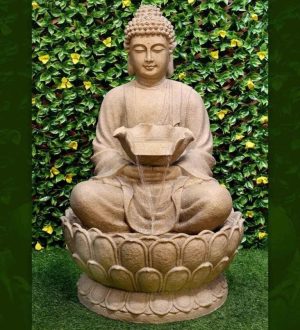
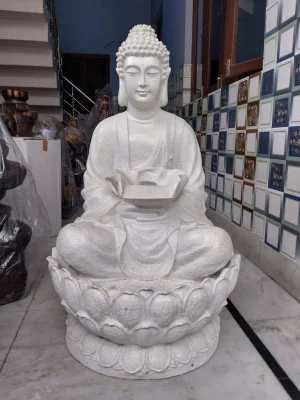
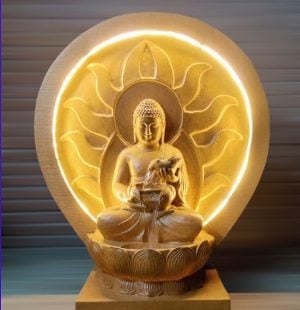
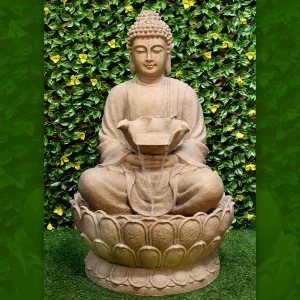
Buddha fountains combine statue and water feature—Buddha figure sits in meditation pose while water flows from elevated source (often a lotus, bowl, or background panel) down across the statue or into a base pool. These work in gardens, courtyards, patios, or covered outdoor spaces.
Size options include 2 feet Buddha fountains (₹10,000-₹14,400) for smaller gardens or patio corners, 3 feet models for standard outdoor areas, and 4 feet Buddha fountains (₹25,000-₹37,000) for larger properties or resort-style landscaping. Height refers to overall fountain height including base and any background elements.
Construction uses solid resin or fiberglass—same materials as standalone Buddha statues but with integrated water channels and pump chambers built into the structure. Weight typically 15-30kg for 2 feet fountains, 30-50kg for 4 feet models. Heavy enough to remain stable outdoors but manageable for two-person installation.
Finish options include bronze patina, sandstone texture, grey stone, and natural stone effects. Hand-applied finishes create aged appearance similar to carved stone. Water flow accentuates surface textures and creates evolving visual patterns as water moves across the statue.
Indoor vs Outdoor Fountain Placement
Indoor fountains work anywhere you have electrical outlet access. Popular locations include living room corners for ambient sound, entryways for welcoming atmosphere, bedrooms for sleep-conducive white noise, home offices to mask distracting sounds, and meditation or yoga spaces for peaceful ambiance.
Keep indoor fountains away from electronics and wooden furniture where water splashing could cause damage. Place on waterproof trays or mats to catch any overflow. Most indoor fountains produce minimal splashing, but occasional drips occur during refilling or if pump flow rate is set too high.
Outdoor fountains work best in covered or partially covered areas—under pergolas, roof overhangs, or pavilions. Direct sun and rain exposure acceptable for short periods but reduces fountain lifespan. Intense sun causes faster water evaporation (requiring more frequent refilling) and can fade finishes over time. Heavy rain can overflow fountain reservoir or dilute water treatment chemicals.
Level ground essential for outdoor fountains. Unlevel placement causes uneven water distribution and can damage pumps if water reservoir drains to one side. Use paver stones or concrete pads to create stable, level installation surfaces.
Garden Buddha Fountain Placement
Buddha fountains work as garden focal points—place where the fountain becomes a destination rather than something you pass quickly. Good locations include courtyard centers, patio corners visible from main living areas, garden path endpoints, or meditation garden focal points.
Consider viewing angles. Position Buddha fountains where you’ll see them frequently from indoor seating areas or outdoor lounging spaces. The sound of running water travels 15-20 feet effectively, so place within this range of areas where you want to hear the water.
Ensure outdoor electrical outlet access within 6-10 feet. Most fountain pumps use standard 2-3 meter power cords. Extension cords work but should be outdoor-rated and protected from weather. Consider hardwired outdoor outlets for permanent installations.
Fountain Pump Operation
All fountains include submersible electric pumps—small motors with impellers that move water upward through plastic tubing. Pumps sit fully submerged in fountain’s water reservoir, connected to electrical outlet via waterproof cord.
Pump specifications typically 10-25 watts for small indoor fountains, 25-50 watts for larger models. Low power consumption—running continuously costs approximately ₹30-₹80 per month depending on electricity rates and pump size.
Flow rate adjustment available on most pumps via small dial or valve. Higher flow creates more dramatic water movement and louder sound. Lower flow produces gentler trickling and quieter operation. Experiment with flow rates to find preferred sound level.
Pump maintenance includes cleaning intake screen monthly (small mesh filter prevents debris from entering pump mechanism), checking water level weekly (pump must stay fully submerged to avoid damage), and replacing pump if performance degrades (typical pump lifespan 2-4 years with proper maintenance).
Water Maintenance and Care
Water level monitoring: Check weekly and refill when water drops below pump inlet. Indoor fountains lose water to evaporation—faster in heated spaces or low humidity. Outdoor fountains lose water to both evaporation and splashing from wind.
Water treatment: Add fountain water treatment solution monthly to prevent algae growth, mineral deposits, and bacterial buildup. Available at garden centers or online. Dosage typically 1-2 capfuls per liter of water capacity. Alternative: change fountain water completely every 2-3 weeks instead of using treatment chemicals.
Cleaning fountain surfaces: Drain fountain every 2-3 months and scrub interior surfaces with soft brush and mild soap. Rinse thoroughly before refilling. This removes mineral deposits (white scale) and algae buildup that water treatment doesn’t fully prevent.
Winterization for outdoor fountains: In cold climates, drain fountains completely before freezing temperatures. Freezing water can crack resin or damage pumps. Store fountains indoors during winter or cover with weatherproof tarps if too heavy to move. Restart in spring after last frost.
Buddha Fountain Styles and Symbolism
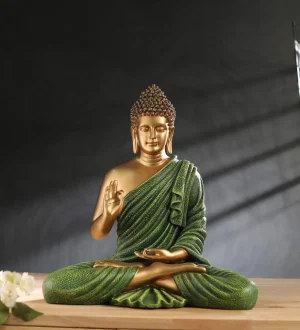
Buddha fountains typically feature meditation pose (seated cross-legged) representing inner peace and contemplation. Water flowing over or around the Buddha figure symbolizes purification, renewal, and continuous spiritual flow. These fountains serve both decorative and spiritual functions in gardens.
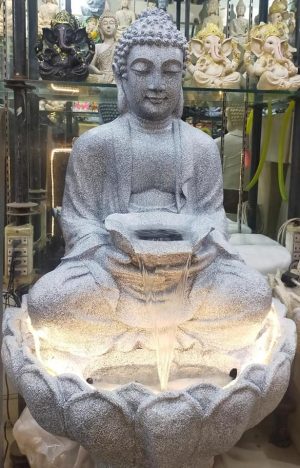
Lotus Buddha fountains: Buddha seated on lotus flower base with water flowing from lotus petals. Lotus represents purity and enlightenment in Buddhist symbolism. Popular design for meditation gardens and yoga spaces.
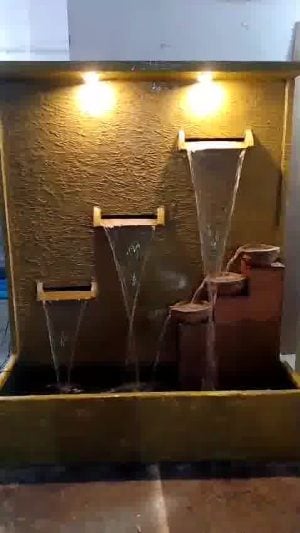
Wall Buddha fountains: Buddha figure mounted against decorative background panel with water flowing down the panel behind the statue. Works well against garden walls or in narrow spaces where freestanding fountains don’t fit.
Buddha with bowl: Buddha holds offering bowl from which water flows. Represents abundance and generosity. Water flows from bowl over hands and robes back to base reservoir.
Finish selection affects atmosphere. Bronze finishes create traditional, aged appearance suitable for classical gardens. Sandstone and natural stone effects blend with outdoor landscaping. Grey or darker finishes show water movement more dramatically than lighter colors.
Decorative Indoor Fountain Styles
Tiered bowl fountains: Multiple bowls stacked vertically with water cascading from top bowl down through lower bowls. Classic style that works with traditional or contemporary interiors. Water sound varies with bowl spacing—closer bowls create softer trickling, wider spacing produces louder splashing.
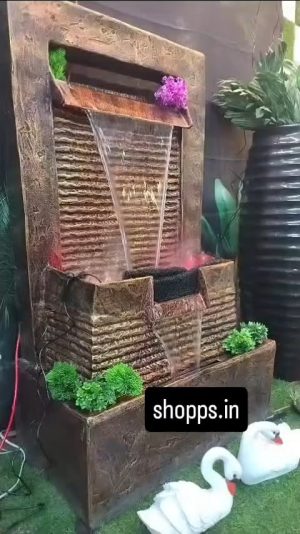
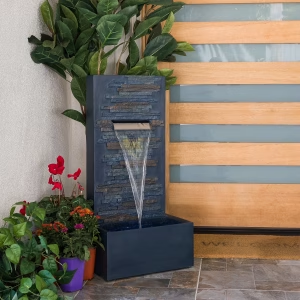
Rock waterfall fountains: Natural rock formations or rock-textured resin with water flowing over surface. Creates nature-inspired aesthetic. Works well in zen-style or naturalistic interiors.
Contemporary geometric fountains: Clean lines, metallic finishes, or glass elements. Water flows down flat surfaces or through geometric channels. Suits modern, minimalist interior design.
Tabletop fountains: Compact models 8-12 inches tall for placement on desks, nightstands, or shelves. Provide gentle water sound without dominating space. Good for apartments or smaller rooms.
Electrical Requirements and Safety
All fountains require standard electrical outlets (220V in India). Pumps use low wattage—comparable to desk lamp power consumption. Can run continuously without significant electrical cost or safety concern.
Outdoor fountain pumps use waterproof electrical connections but should still be protected from direct water exposure where possible. Route power cords through weatherproof conduit or bury in shallow trenches to prevent tripping hazards and weather damage.
GFCI (ground fault circuit interrupter) outlets recommended for outdoor fountain installation. These outlets automatically cut power if electrical short detected, preventing shock hazards. Most outdoor outlets installed after 2000 include GFCI protection.
Never run fountain with pump out of water. Dry running causes pump motor overheating and failure within minutes. Always ensure water level above pump inlet before powering on.
Installation and Setup
Indoor fountains arrive mostly assembled. Setup involves unpacking, placing pump in reservoir, arranging decorative elements (rocks, sculptures), filling with water, and plugging in. Takes 15-30 minutes.
Buddha fountains for gardens ship in protective packaging. Installation requires choosing level location, positioning fountain, adding water to reservoir (usually 8-15 liters depending on size), connecting pump to power source, and adjusting flow rate. Two people recommended for fountains over 30kg.
Initial setup instructions emphasize running pump for 5-10 minutes to purge air from tubing system. Water flow may sputter initially as air bubbles work through the system. Normal flow establishes once air purged completely.
Test fountain for several hours during first setup to ensure water flow reaches all intended areas and reservoir capacity is adequate. Adjust rock positions or flow rates if water doesn’t distribute evenly across fountain surfaces.
Sizing and Space Planning
Tabletop fountains (8-18 inches): Work on console tables, sideboards, desks, or nightstands. Provide gentle ambient sound without overwhelming small spaces. Good for apartments, bedrooms, or offices.
Floor fountains (24-36 inches): Need dedicated floor space in room corners or along walls. Create stronger visual presence and louder water sound. Suit larger living rooms, entryways, or commercial spaces.
Garden Buddha fountains (2-4 feet): Require outdoor space planning. Minimum clearance 3-4 feet on all sides for comfortable viewing and access for maintenance. Larger fountains (4 feet) need 5-6 feet clearance to maintain proper proportions with surrounding garden.
Delivery and Warranty
Fountains ship in protective packaging with pump and hardware separate from fountain body to prevent transit damage. Delivery takes 7-14 days to major cities including Delhi, Mumbai, Bangalore, Hyderabad, Chennai, and Pune.
Buddha fountains ship in wooden crates or heavy-duty cardboard with foam protection. Inspect packaging for damage before signing delivery receipt. Report any shipping damage to customer service within 24 hours with photos.
Pump warranty typically 6-12 months covering manufacturing defects. Normal wear or damage from dry running not covered. Replacement pumps available for purchase if original pump fails outside warranty period.
Frequently Asked Questions
Can I use tap water in my fountain?
Yes, but distilled or filtered water works better long-term. Tap water contains minerals that create white scale deposits on fountain surfaces. If using tap water, clean fountain more frequently to remove mineral buildup.
How often do I need to refill the water?
Indoor fountains: every 1-2 weeks depending on room humidity and temperature. Outdoor fountains: weekly in summer, every 2 weeks in cooler months. Check water level weekly to ensure pump stays submerged.
How loud is the water sound?
Most fountains produce gentle trickling comparable to rainfall or stream sounds—loud enough to provide ambient noise but quiet enough for bedrooms. Flow rate adjustable on most pumps to control sound level.
Can Buddha fountains stay outside year-round?
In mild climates yes, with proper maintenance. In areas with freezing temperatures, drain and cover fountains in winter or move indoors. Freezing water can crack fountain structure and damage pumps.
Do fountains attract mosquitoes?
Moving water prevents mosquito breeding—mosquitoes only lay eggs in stagnant water. Running fountain pump continuously eliminates this concern. Fountains turned off for extended periods should be drained or treated with mosquito dunks.
How much electricity does a fountain pump use?
Typical pumps use 10-50 watts. Running 24/7 costs approximately ₹30-₹80 per month depending on pump size and local electricity rates—similar to leaving a small nightlight on continuously.
What maintenance does a fountain need?
Weekly: Check water level. Monthly: Add water treatment solution, clean pump intake screen. Quarterly: Complete drain and surface cleaning. The maintenance takes 10-15 minutes monthly.
Can I place an indoor fountain near plants?
Yes, fountains increase local humidity which benefits many houseplants. Ensure fountain is stable and won’t tip if plants grow into it. Keep electrical connections away from soil and water to prevent shorts.